What Is Hantavirus?
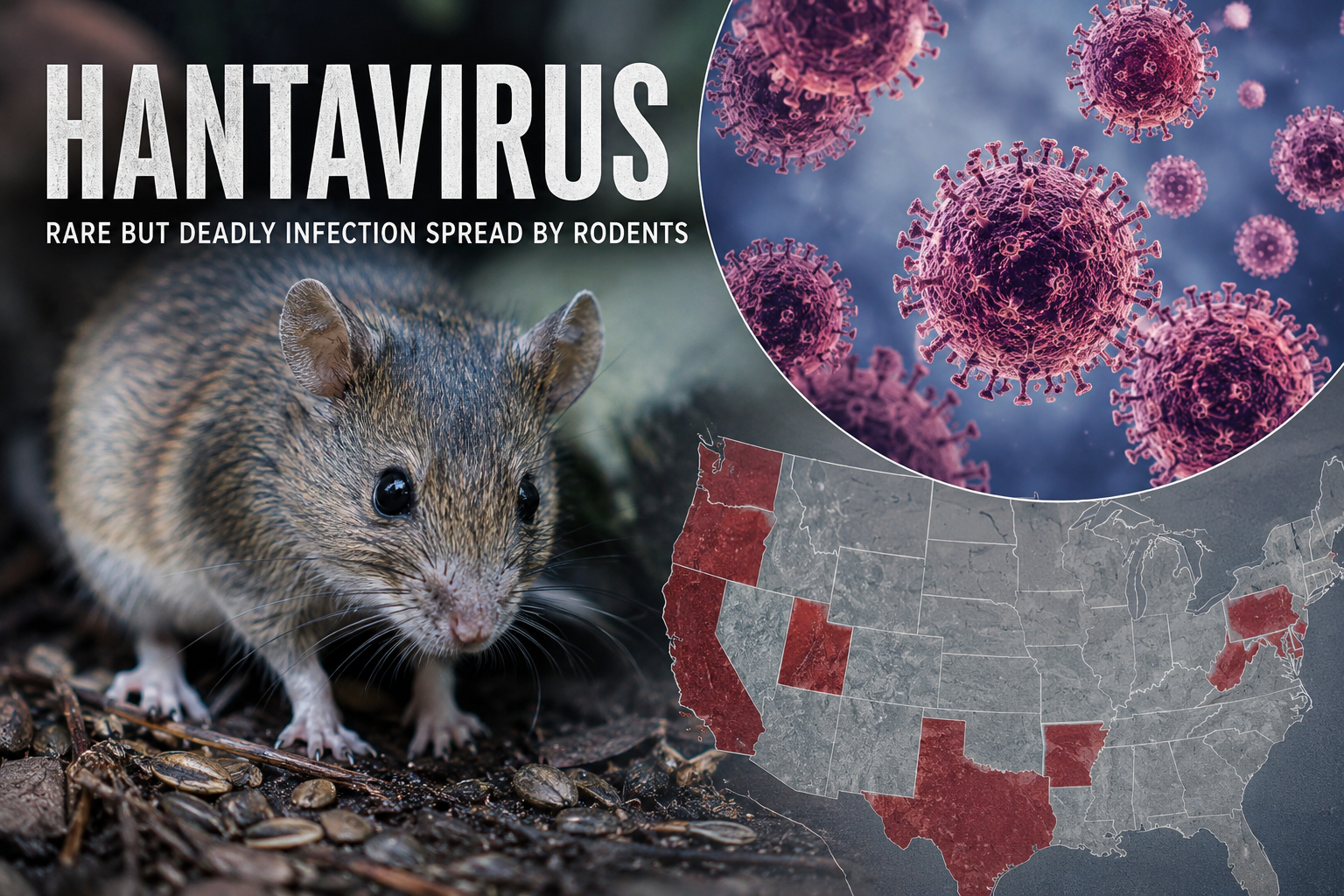
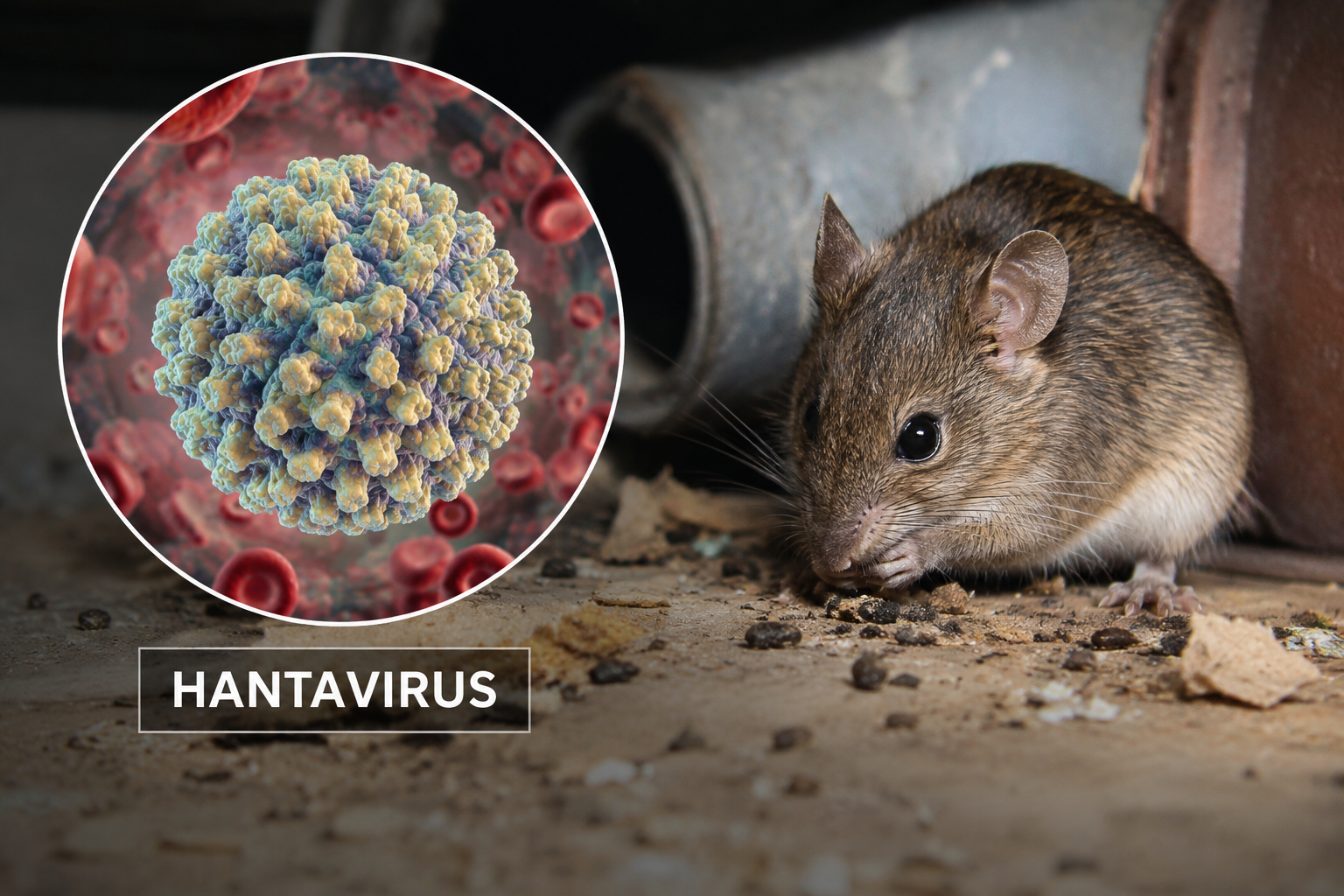
Hantavirus is a rare but potentially severe group of viruses primarily carried by rodents. Humans can become infected through exposure to infected rodent urine, droppings, or saliva, especially in enclosed or poorly ventilated environments.
According to the Centers for Disease Control and Prevention (CDC), hantaviruses can cause serious illnesses in humans, including:
- Hantavirus Pulmonary Syndrome (HPS) in the Americas
- Hemorrhagic Fever with Renal Syndrome (HFRS) in Europe and Asia
How Hantavirus Spreads
Hantavirus is primarily transmitted through inhalation of contaminated particles that become airborne when rodent waste is disturbed.
In the United States, deer mice are the most commonly associated carriers of hantavirus linked to HPS.
The CDC confirms that human-to-human transmission is extremely rare, with most infections occurring from direct environmental exposure rather than contact with infected individuals.
Early Symptoms of Hantavirus
Early symptoms often resemble the flu, which can delay diagnosis:
- Fever
- Fatigue
- Muscle aches
- Headaches
- Nausea or vomiting
As the disease progresses in severe cases, it may develop into Hantavirus Pulmonary Syndrome (HPS), which affects the lungs and can lead to respiratory failure due to fluid buildup.
How Serious Is Hantavirus?
According to the World Health Organization (WHO), hantavirus infections in the Americas can be severe, with some strains associated with high fatality rates once respiratory symptoms develop.
Despite its severity, hantavirus infections are rare in the United States and other regions with strong sanitation and rodent control practices.
Can Hantavirus Spread Between Humans?
Most hantavirus types do NOT spread between people.
However, the Andes virus (found in parts of South America) has shown limited human-to-human transmission in rare cases involving prolonged close contact. This remains an exception, not the norm.
Public health agencies continue to emphasize that overall risk of person-to-person spread is very low.
Prevention: How to Reduce Risk
The CDC recommends the following prevention steps:
- Seal holes and entry points in homes to prevent rodent access
- Store food in rodent-proof containers
- Avoid sweeping or vacuuming rodent droppings
- Ventilate enclosed spaces before cleaning
- Use gloves and disinfectants when cleaning contaminated areas
These measures significantly reduce exposure risk.
Environmental Factors and Risk
Hantavirus risk is closely linked to rodent population levels and environmental conditions such as:
- Climate shifts
- Food availability
- Human encroachment into wildlife habitats
Even so, cases remain rare overall in developed countries with proper sanitation and pest control.
Final Takeaway
Hantavirus is serious, but uncommon.
Understanding how it spreads—and taking simple prevention steps—greatly reduces risk. Awareness is important, but panic is unnecessary.
Like many zoonotic diseases, hantavirus reflects the connection between human environments and wildlife ecosystems.
Medical Disclaimer
This article is for educational and informational purposes only and does not constitute medical advice. Always consult a licensed healthcare provider for diagnosis or treatment.
Scientific understanding may evolve as new research emerges.
 Hantavirus Outbreak Watch
Leave a comment