Tag: CDC

  • Canadian Passenger From MV Hondius Tests Positive for Hantavirus, Officials Continue Monitoring

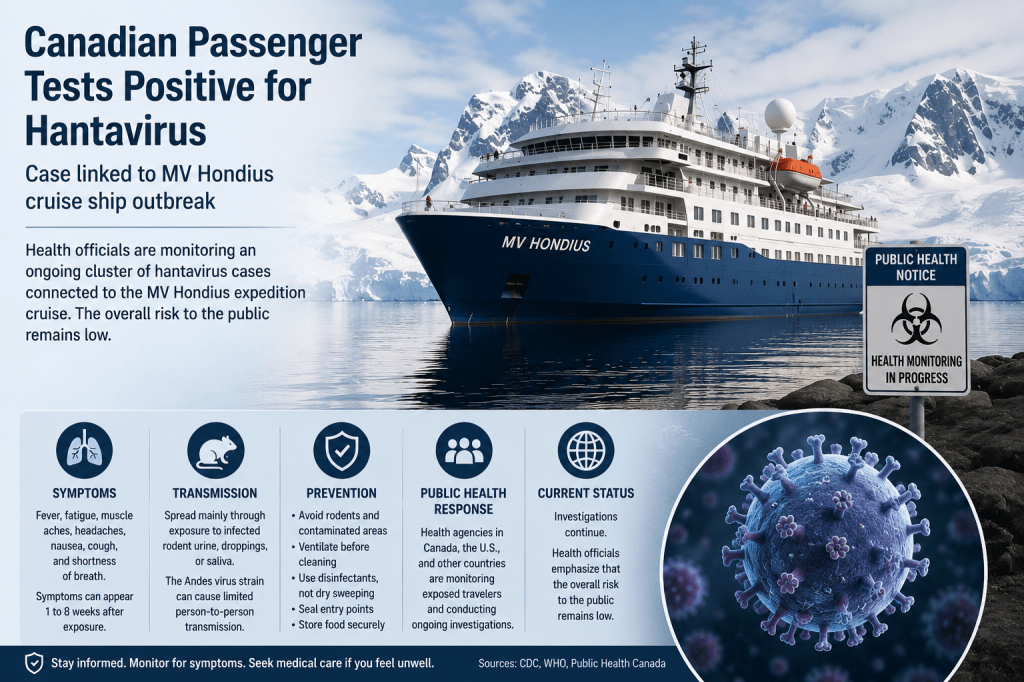
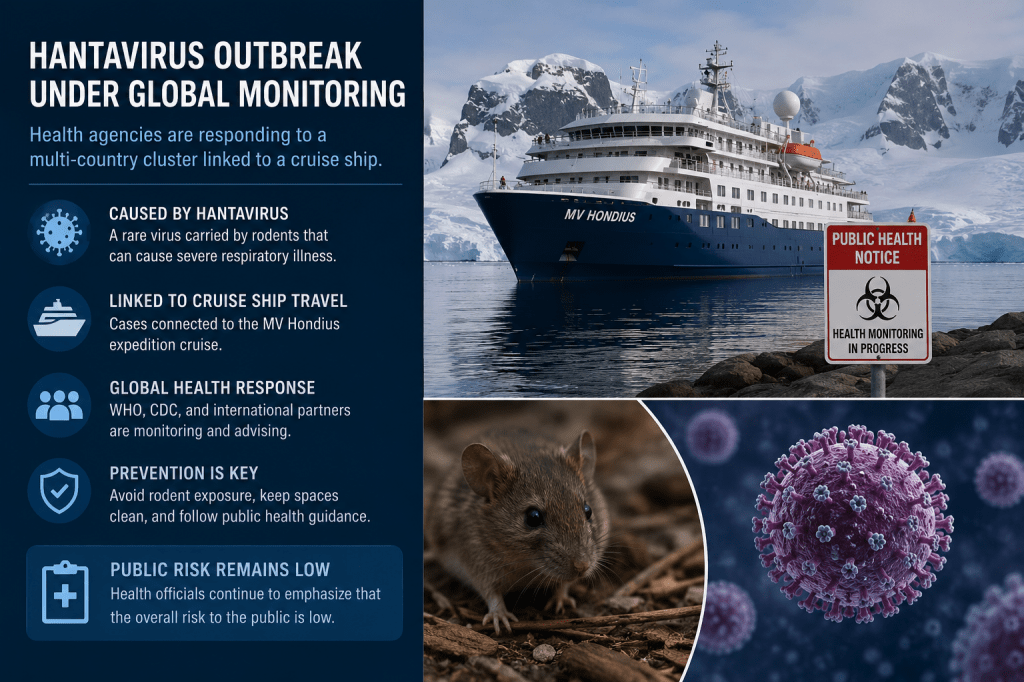
    A Canadian passenger who traveled aboard the expedition cruise ship MV Hondius has tested positive for hantavirus, according to public health reporting cited by NBC News and Canadian health authorities.

    The case is part of an ongoing international investigation involving a cluster of hantavirus infections connected to the vessel, which has drawn attention from health agencies including the World Health Organization (WHO) and the U.S. Centers for Disease Control and Prevention (CDC).

    Officials continue emphasizing that the overall risk to the public remains low while monitoring exposed travelers across multiple countries.

    Overview of the Current Situation

    According to NBC News reporting, the infected Canadian passenger was among travelers aboard the MV Hondius, an expedition cruise ship associated with a recent outbreak involving the Andes strain of hantavirus.

    The Andes virus is considered unusual because it is one of the few hantavirus strains known to demonstrate limited person-to-person transmission under specific circumstances involving prolonged close contact.

    Health authorities have stated that investigations into the source and chain of transmission remain ongoing.

    Public health agencies in Canada, the United States, and several other countries continue monitoring individuals who may have been exposed during the voyage.

    What Is Hantavirus?

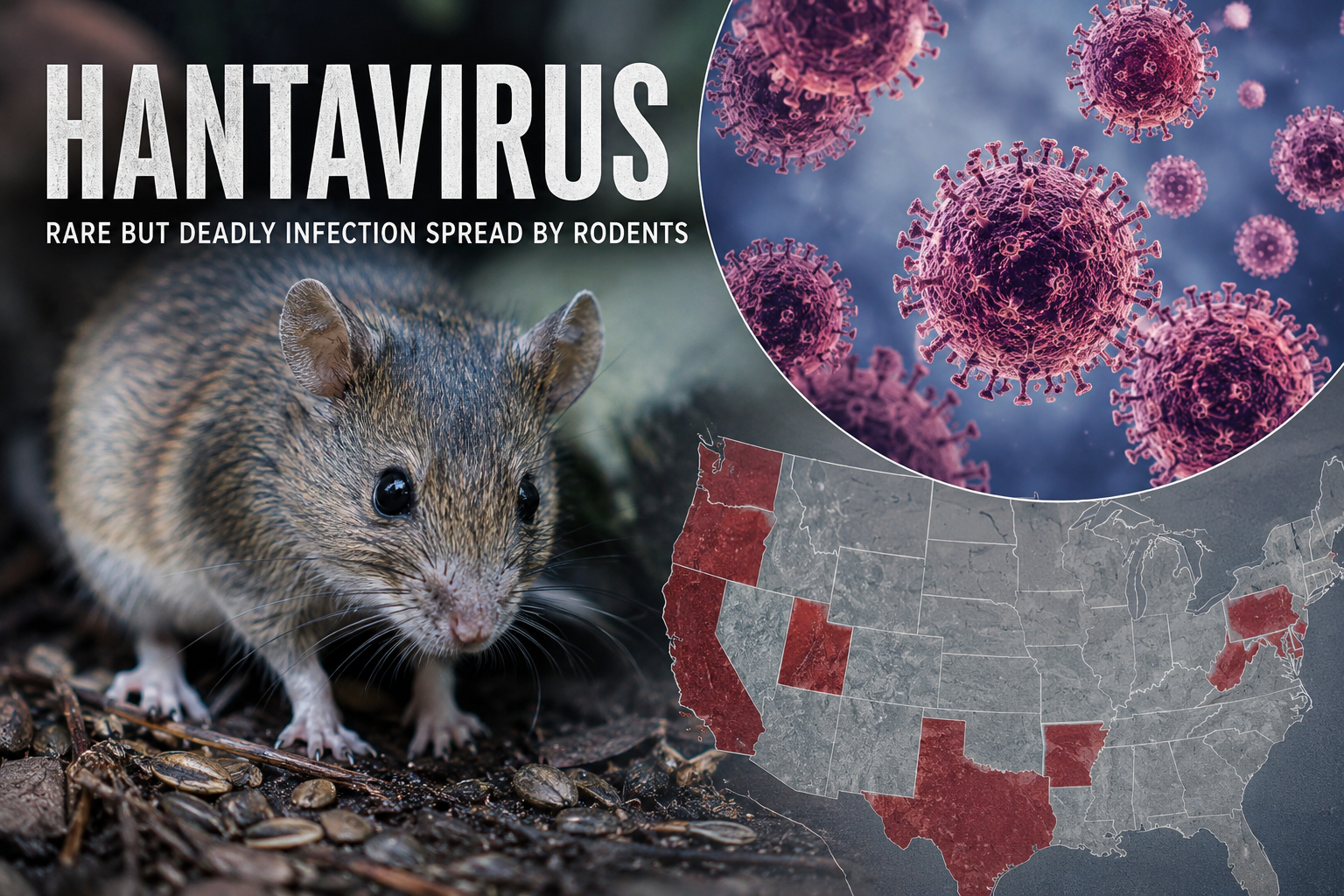
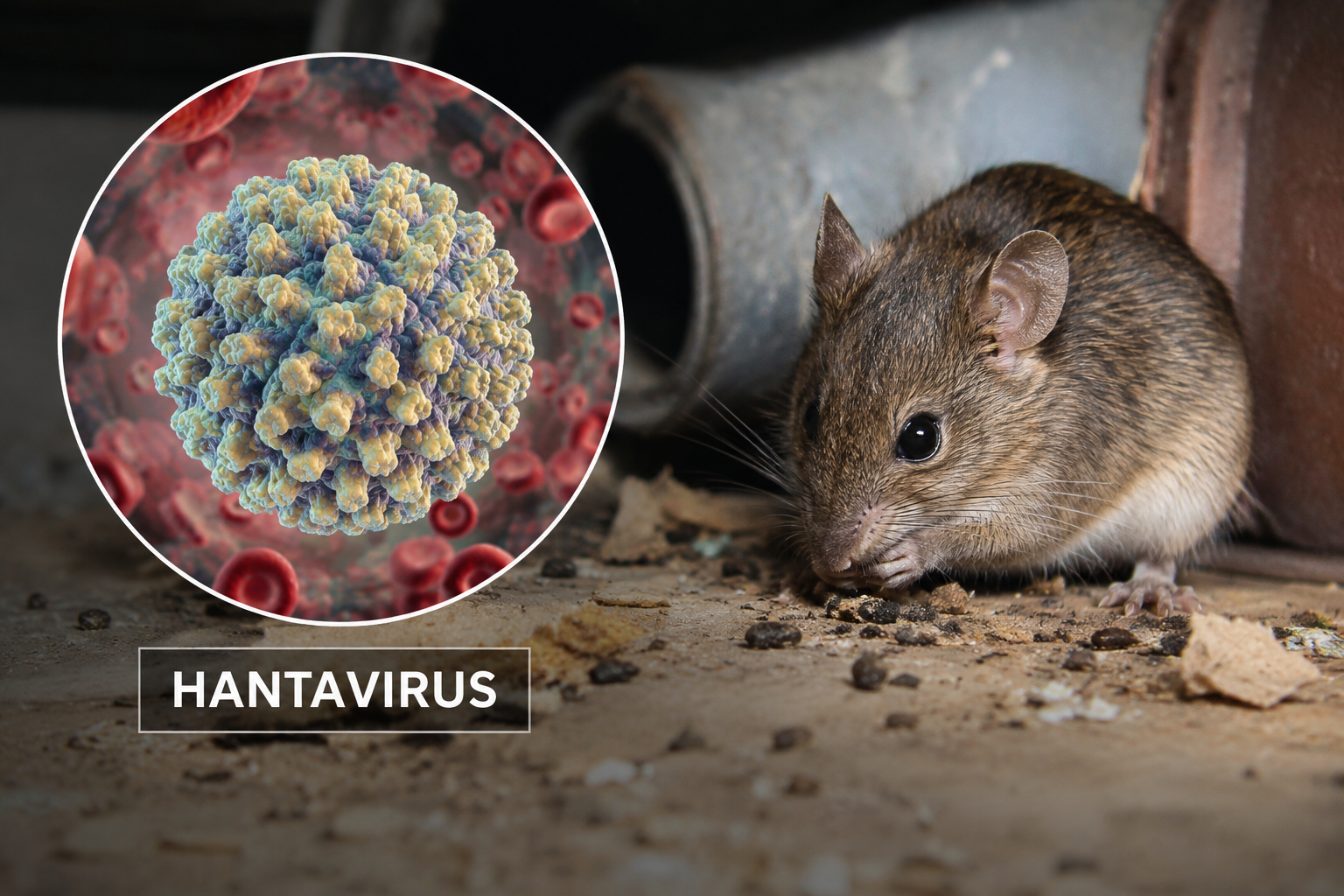
    Hantaviruses are a family of viruses carried primarily by rodents. Human infections most commonly occur after exposure to contaminated rodent urine, saliva, or droppings.

    In the Americas, hantaviruses can cause Hantavirus Pulmonary Syndrome (HPS), a potentially severe respiratory illness affecting the lungs and breathing.

    Most hantavirus infections worldwide are associated with environmental exposure rather than routine person-to-person spread.

    Symptoms of Hantavirus Infection

    Early symptoms may resemble influenza or other viral illnesses and can include:

    • Fever
    • Fatigue
    • Muscle aches
    • Headaches
    • Nausea or vomiting

    As illness progresses, some patients may develop:

    • Cough
    • Shortness of breath
    • Chest tightness
    • Fluid accumulation in the lungs

    Health officials note that symptoms can appear between one and eight weeks after exposure.

    How Hantavirus Spreads

    A Canadian passenger who traveled aboard the expedition cruise ship MV Hondius has tested positive for hantavirus, according to public health reporting cited by NBC News and Canadian health authorities.

    The case is part of an ongoing international investigation involving a cluster of hantavirus infections connected to the vessel, which has drawn attention from health agencies including the World Health Organization (WHO) and the U.S. Centers for Disease Control and Prevention (CDC).

    Officials continue emphasizing that the overall risk to the public remains low while monitoring exposed travelers across multiple countries.

    Overview of the Current Situation

    According to NBC News reporting, the infected Canadian passenger was among travelers aboard the MV Hondius, an expedition cruise ship associated with a recent outbreak involving the Andes strain of hantavirus.

    The Andes virus is considered unusual because it is one of the few hantavirus strains known to demonstrate limited person-to-person transmission under specific circumstances involving prolonged close contact.

    Health authorities have stated that investigations into the source and chain of transmission remain ongoing.

    Public health agencies in Canada, the United States, and several other countries continue monitoring individuals who may have been exposed during the voyage.

    What Is Hantavirus?

    Hantaviruses are a family of viruses carried primarily by rodents. Human infections most commonly occur after exposure to contaminated rodent urine, saliva, or droppings.

    In the Americas, hantaviruses can cause Hantavirus Pulmonary Syndrome (HPS), a potentially severe respiratory illness affecting the lungs and breathing.

    Most hantavirus infections worldwide are associated with environmental exposure rather than routine person-to-person spread.

    Symptoms of Hantavirus Infection

    Early symptoms may resemble influenza or other viral illnesses and can include:

    • Fever
    • Fatigue
    • Muscle aches
    • Headaches
    • Nausea or vomiting

    As illness progresses, some patients may develop:

    • Cough
    • Shortness of breath
    • Chest tightness
    • Fluid accumulation in the lungs

    Health officials note that symptoms can appear between one and eight weeks after exposure.

    How Hantavirus Spreads

    Most hantavirus infections occur when people inhale airborne particles contaminated with infected rodent waste.

    The current outbreak has received increased international attention because the Andes virus strain has previously shown limited human-to-human transmission in rare situations involving prolonged close contact.

    WHO and CDC guidance continue to state that hantavirus is not considered highly contagious in typical community settings.

    Investigators are still working to determine how transmission may have occurred among passengers connected to the MV Hondius outbreak.

    Prevention and Risk Reduction

    Public health agencies continue recommending standard precautions to reduce hantavirus exposure, including:

    • Avoiding contact with rodents and rodent droppings
    • Ventilating enclosed areas before cleaning
    • Using disinfectants instead of dry sweeping or vacuuming contaminated materials
    • Sealing gaps and entry points in buildings
    • Storing food securely to discourage rodents

    Health officials also encourage travelers and exposed individuals to monitor for symptoms and seek medical attention if respiratory illness develops.

    Public Health Context

    The outbreak linked to the MV Hondius has renewed global discussion about infectious disease preparedness, travel-related health monitoring, and outbreak communication in the post-pandemic era.

    Diseases like hantavirus often move quietly through the edges of public awareness — uncommon enough to remain unfamiliar to many people, yet serious enough to demand careful attention when clusters emerge.

    Health authorities continue stressing the importance of vigilance without alarm, emphasizing that the current outbreak remains limited and under active investigation.

    Final Takeaway

    The confirmed Canadian case connected to the MV Hondius outbreak reflects the continued international effort to monitor and contain a rare hantavirus cluster involving the Andes virus strain.

    While health agencies are treating the situation seriously, officials continue to state that the broader public risk remains low and that most hantavirus infections remain linked primarily to rodent exposure rather than widespread human transmission.

    Clear public communication, surveillance, and practical prevention measures remain central to the ongoing response.

    Medical Disclaimer

    This article is intended for informational and educational purposes only and should not be considered medical advice, diagnosis, or treatment.

    Readers should consult licensed healthcare professionals regarding medical concerns or symptoms. Scientific understanding and public health guidance may evolve as new information becomes available.
  • Why Rodent-Borne Diseases Continue to Concern Public Health Experts

    There are certain animals that exist quietly alongside human civilization — often unnoticed until illness suddenly brings them into focus. Rodents are among the most studied of them.

    From rural cabins to crowded cities, rodents have long been linked to the spread of infectious diseases affecting humans. While modern sanitation and public health systems have dramatically reduced many risks, experts continue monitoring rodent-borne illnesses because of their ability to emerge unexpectedly in changing environments.

    According to the Centers for Disease Control and Prevention (CDC), rodents can carry viruses, bacteria, and parasites capable of infecting humans through contaminated droppings, urine, saliva, or direct contact. Some diseases may also spread indirectly through ticks, fleas, or contaminated food sources.

    What Are Rodent-Borne Diseases?

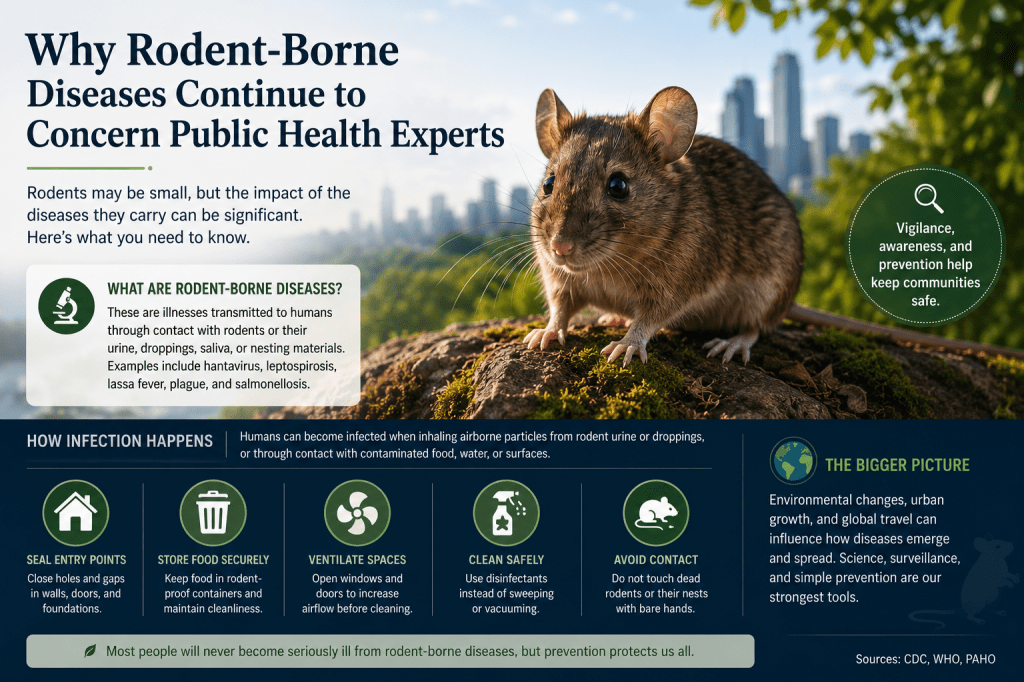
    Rodent-borne diseases are illnesses associated with rats, mice, and other rodent species. Some of the better-known examples include:

    • Hantavirus Pulmonary Syndrome (HPS)
    • Leptospirosis
    • Lassa fever
    • Plague
    • Salmonellosis

    Different diseases occur in different regions of the world depending on local rodent populations and environmental conditions.

    In the United States, hantavirus remains one of the most closely monitored rodent-associated illnesses, particularly in western and southwestern states where deer mice are commonly found.


    How Transmission Happens

    Most rodent-borne illnesses do not spread casually between people. Instead, infection often occurs through environmental exposure.

    The CDC states that humans may become exposed when particles contaminated with rodent urine or droppings become airborne and are inhaled, particularly in enclosed or poorly ventilated areas such as sheds, cabins, garages, or storage spaces.

    This is one reason public health agencies continue emphasizing safe cleaning practices after rodent infestations.

    Why Experts Continue Monitoring These Diseases

    Public health experts study rodent-borne diseases closely because environmental conditions can influence outbreak risks.

    Climate shifts, urban expansion, deforestation, and changing wildlife habitats may alter how humans and rodents interact. Researchers have also noted that global travel and shipping networks can increase the complexity of disease surveillance efforts.

    The World Health Organization (WHO) describes zoonotic diseases — illnesses transmitted between animals and humans — as an ongoing area of global health concern requiring coordinated monitoring and preparedness.

    Many rodent-borne illnesses remain relatively rare. However, when outbreaks occur, rapid detection and communication become important tools for limiting spread and reducing public fear.

    Prevention Remains the Best Defense

    Health agencies continue recommending several practical prevention steps:

    • Seal holes and entry points in buildings
    • Store food securely
    • Avoid direct contact with rodents or rodent nests
    • Ventilate enclosed spaces before cleaning
    • Use disinfectants rather than sweeping or vacuuming droppings

    Simple precautions often remain highly effective in reducing risk.

    Final Takeaway

    Rodent-borne diseases are part of a larger story about the intersection between humans, wildlife, and environment. Most people will never encounter serious illness from these infections, but public health experts continue monitoring them carefully because outbreaks can emerge quietly and unpredictably.

    Awareness, preparation, and responsible public health communication remain far more useful than panic.

    Medical Disclaimer

    This article is intended for informational and educational purposes only and should not be considered medical advice, diagnosis, or treatment.

    Readers should consult licensed healthcare professionals regarding medical concerns or symptoms.

    • WHO and CDC Continue Monitoring Multi-Country Hantavirus Cluster Linked to Cruise Ship

      Global health agencies including the World Health Organization (WHO) and the U.S. Centers for Disease Control and Prevention (CDC) are continuing to monitor a multi-country hantavirus cluster associated with cruise ship travel.

      The outbreak involves the Andes virus strain of hantavirus, which is primarily found in parts of South America and is notable because limited human-to-human transmission has been documented in previous outbreaks. Health officials continue to emphasize that overall public risk remains low.  

      Overview of the Current Situation

      According to WHO reporting, the outbreak has been linked to passengers aboard the expedition cruise ship MV Hondius. As of mid-May 2026, WHO reported multiple confirmed and probable cases across several countries, including deaths associated with the outbreak.  

      The CDC has issued public health notices and is monitoring exposed travelers in the United States. Officials have stated that no widespread community transmission has been identified.  

      Reuters reported that several passengers returning to the United States were placed under quarantine or medical observation, including individuals monitored in Nebraska and Atlanta.  

      What Is Hantavirus?

      Hantaviruses are a group of viruses carried primarily by rodents. Humans usually become infected through exposure to contaminated rodent urine, droppings, or saliva.

      In the Americas, hantavirus infections can lead to Hantavirus Pulmonary Syndrome (HPS), a serious respiratory illness that affects the lungs and breathing.  

      The Andes virus strain involved in the current outbreak is unusual because it is the only hantavirus strain known to demonstrate limited person-to-person transmission under certain conditions involving prolonged close contact.  

      Symptoms of Hantavirus Infection

      Early symptoms often resemble influenza or other viral illnesses and may include:

      Fever

      Fatigue

      Muscle aches

      Headaches

      Nausea or vomiting

      In more severe cases, symptoms may progress to:

      Cough

      Shortness of breath

      Respiratory distress

      Fluid buildup in the lungs

      WHO and CDC guidance indicates that symptom onset may occur between one and eight weeks after exposure.  

      How Hantavirus Spreads

      Most hantavirus infections occur through environmental exposure to infected rodent waste particles that become airborne.

      Health authorities continue to state that hantavirus is not highly contagious in normal public settings. The current outbreak has received attention because of the Andes strain’s rare ability to spread between humans during close and prolonged exposure.  

      WHO’s current working hypothesis suggests that the initial infection may have occurred before boarding the cruise ship, followed by limited onboard transmission among passengers. Investigations remain ongoing.  

      Prevention Measures

      Public health agencies continue recommending standard hantavirus prevention measures, including:

      Avoiding contact with rodents and rodent droppings

      Ventilating enclosed spaces before cleaning

      Using disinfectants rather than sweeping or vacuuming rodent waste

      Sealing gaps and entry points in homes and buildings

      Storing food securely to reduce rodent attraction

      At this time, there is no routinely approved hantavirus vaccine available in the United States or Europe.  

      Public Health Response

      The outbreak has prompted coordinated monitoring efforts involving WHO, CDC, European health authorities, and national public health agencies.

      Some exposed travelers have been advised to undergo monitoring or voluntary quarantine periods of up to 42 days because of the Andes virus incubation window.  

      Public health experts have also noted that the situation is testing modern outbreak communication strategies developed after the COVID-19 pandemic. Officials have repeatedly emphasized transparency while also discouraging misinformation and unnecessary panic.  

      Final Takeaway


      The hantavirus cluster linked to the MV Hondius cruise ship remains a closely monitored public health event, but health officials continue to emphasize that the overall risk to the public is low.

      The situation highlights the importance of disease surveillance, international coordination, and clear public communication when responding to rare infectious disease outbreaks. While the Andes virus strain involved in the outbreak is capable of limited human-to-human transmission, most hantavirus infections worldwide remain associated with rodent exposure rather than widespread community spread.  

      Medical Disclaimer

      This article is intended for informational and educational purposes only and should not be considered medical advice, diagnosis, or treatment.

      Readers should consult qualified healthcare professionals regarding medical concerns or symptoms. Scientific understanding and public health guidance may evolve as additional information becomes available.

    • What Is Hantavirus? Symptoms, Transmission, and Prevention Explained

      • “hantavirus prevention cleaning safety”
      • “deer mouse hantavirus carrier”

      What Is Hantavirus?

      Hantavirus is a rare but potentially severe group of viruses primarily carried by rodents. Humans can become infected through exposure to infected rodent urine, droppings, or saliva, especially in enclosed or poorly ventilated environments.

      According to the Centers for Disease Control and Prevention (CDC), hantaviruses can cause serious illnesses in humans, including:

      • Hantavirus Pulmonary Syndrome (HPS) in the Americas
      • Hemorrhagic Fever with Renal Syndrome (HFRS) in Europe and Asia

      CDC Hantavirus Information

      How Hantavirus Spreads

      Hantavirus is primarily transmitted through inhalation of contaminated particles that become airborne when rodent waste is disturbed.

      In the United States, deer mice are the most commonly associated carriers of hantavirus linked to HPS.

      The CDC confirms that human-to-human transmission is extremely rare, with most infections occurring from direct environmental exposure rather than contact with infected individuals.

      Early Symptoms of Hantavirus

      Early symptoms often resemble the flu, which can delay diagnosis:

      • Fever
      • Fatigue
      • Muscle aches
      • Headaches
      • Nausea or vomiting

      As the disease progresses in severe cases, it may develop into Hantavirus Pulmonary Syndrome (HPS), which affects the lungs and can lead to respiratory failure due to fluid buildup.

      How Serious Is Hantavirus?

      According to the World Health Organization (WHO), hantavirus infections in the Americas can be severe, with some strains associated with high fatality rates once respiratory symptoms develop.

      WHO Hantavirus Fact Sheet

      Despite its severity, hantavirus infections are rare in the United States and other regions with strong sanitation and rodent control practices.

      Can Hantavirus Spread Between Humans?

      Most hantavirus types do NOT spread between people.

      However, the Andes virus (found in parts of South America) has shown limited human-to-human transmission in rare cases involving prolonged close contact. This remains an exception, not the norm.

      Public health agencies continue to emphasize that overall risk of person-to-person spread is very low.

      Prevention: How to Reduce Risk

      The CDC recommends the following prevention steps:

      • Seal holes and entry points in homes to prevent rodent access
      • Store food in rodent-proof containers
      • Avoid sweeping or vacuuming rodent droppings
      • Ventilate enclosed spaces before cleaning
      • Use gloves and disinfectants when cleaning contaminated areas

      These measures significantly reduce exposure risk.

      Environmental Factors and Risk

      Hantavirus risk is closely linked to rodent population levels and environmental conditions such as:

      • Climate shifts
      • Food availability
      • Human encroachment into wildlife habitats

      Even so, cases remain rare overall in developed countries with proper sanitation and pest control.

      Final Takeaway

      Hantavirus is serious, but uncommon.

      Understanding how it spreads—and taking simple prevention steps—greatly reduces risk. Awareness is important, but panic is unnecessary.

      Like many zoonotic diseases, hantavirus reflects the connection between human environments and wildlife ecosystems.

      Medical Disclaimer

      This article is for educational and informational purposes only and does not constitute medical advice. Always consult a licensed healthcare provider for diagnosis or treatment.

      Scientific understanding may evolve as new research emerges.